AI Operating Systems Lab

Redesigning organizations around AI.

We map how work actually happens, identify where AI changes the economics, and build the systems and products that make those gains real.

01 / The thesis

AI is not a feature. It changes how the organization should work.

An operating system is the combination of people, processes, data, decisions, tools, and feedback loops that determines how an organization performs. AI changes every layer.

01.1

See the real system

Map the work people actually do-not the process everyone imagines exists.

01.2

Find the leverage

Locate where intelligence, automation, and better decisions can compound.

01.3

Build the capability

Turn isolated experiments into durable products, systems, and operating change.

02 / Primary offer

AI Analysis

The first engagement is an AI Operating System Assessment: a rigorous view of how your organization creates value today-and where AI can remove friction, improve judgment, and reshape the economics of the work.

Designed for founders, executives, and government contractors facing consequential operational change.

Book your AI analysis
  1. 01Process mapObserve
  2. 02AI opportunity analysisModel
  3. 03Automation opportunitiesPrioritize
  4. 04Data maturity reviewDiagnose
  5. 05Operational bottlenecksSurface
  6. 06Priority roadmapSequence
  7. 07Transformation planBuild
03 / Products

Analysis first. Products follow.

AI Analysis is the primary way to start. Repeated operational problems then become focused products, while every customer interaction makes the next recommendation sharper.

Primary offer / 001

AI Analysis

A focused engagement that maps your processes, surfaces bottlenecks, identifies the highest-value AI opportunities, and turns the findings into a practical priority roadmap.

Book an AI analysis
Live product / 002FedScope

Federal market intelligence for government contractors moving from search to decision.

Visit FedScope
Exploration / 003Process Intelligence Platform

Observe work, surface bottlenecks, and turn operational evidence into an executable roadmap.

04 / Research agenda

Practical knowledge, published in the open.

Frameworks, implementation lessons, case studies, and original research drawn from building systems in the real world.

R.01

AI-native organization design

How roles, decision rights, incentives, and management systems change when intelligence becomes abundant.

R.02

Process intelligence

How to observe work as it actually happens, find hidden friction, and turn operational evidence into better systems.

R.03

Federal market systems

How contractors can connect fragmented public data, institutional context, and human judgment into repeatable advantage.

05 / Advisory

Selective advisory, grounded in operating reality.

Advisory work is a strategic learning engine: close enough to observe consequential problems, practical enough to create immediate value, and disciplined enough to produce reusable insight.

  • Founders redesigning how their companies operate
  • Executives moving from AI pilots to operating change
  • Government contractors building repeatable market advantage

The lab compounds what it learns.

Operating model / continuous loop

ResearchAssessmentAdvisoryProductsEvidence
06 / The builder

From strategy research to systems in the field.

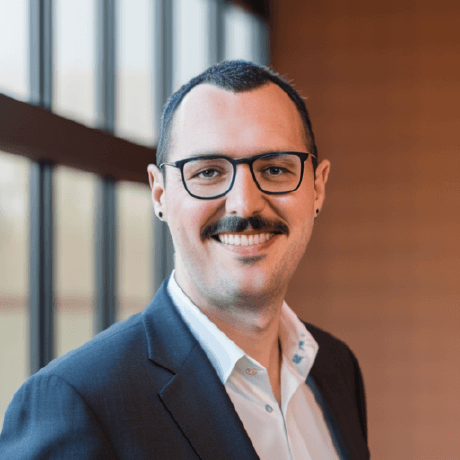
At Boston Consulting Group, Asa supported Technology Advantage work for major corporations across industries. He later moved into government contracting, construction operations, and the documentation of industrial electrical-control systems used in airport baggage handling.

Asa Ekengren

At Tepa, he has built and improved the operational layer itself: vendor-registration automation, an AI-searchable intranet, centralized knowledge, and document-approval systems. That range grounds the lab in how complex organizations actually work.

Full experience on LinkedIn